Handling Urban Traffic and Heavy Vehicles with Class 3 Driver Training in Calgary
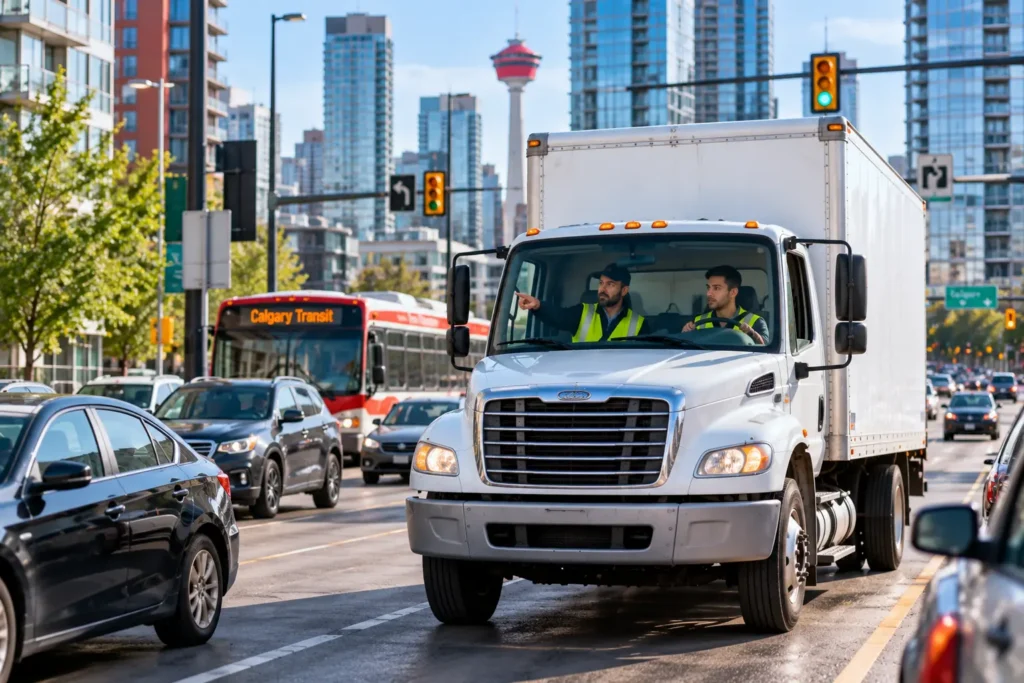
Anyone who has sat behind the wheel of a loaded straight truck on a weekday morning in Calgary knows it’s a different job from driving a car. The lanes feel narrower, the lights change faster, and somebody always seems to cut in right where you need your braking space. That’s why Class 3 driver training Calgary is built around real city conditions: tight corners, construction detours, and crowded intersections. If you’re thinking about a career in commercial driving, learning to deal with all of that early makes a big difference.
Why a Heavy Vehicle Feels So Different in the City
A truck carrying a full load doesn’t stop, turn, or accelerate the way a passenger car does. It needs more room for everything, and city streets don’t hand out much room.
Think about rolling up to a busy intersection. People are crossing, a car is drifting toward your lane, and the corner is tighter than you’d like. You can’t just react. You have to read the whole scene first, then decide.
These are the situations new drivers tend to find hardest:
- Not much room to work with. Narrow side streets, loading zones, and small intersections leave very little margin.
- Stopping takes longer. The heavier the load, the earlier you need to start slowing down.
- Blind spots. Cyclists, pedestrians and smaller vehicles can vanish beside or behind the truck.
- Traffic that keeps changing. Roadwork, congestion and sudden stops all ask for calm, quick decisions.
It’s much easier to learn how to handle these with an instructor beside you than to figure it out alone on the job.
What You Actually Practise in Class 3 Training
Good programs don’t throw you into downtown traffic on day one. You start with the basics of how the vehicle moves, then work up to busier roads as your control improves. In Class 3 driver training in Calgary, that usually means working on:
- Vehicle control: smooth throttle, braking, and steering, and knowing where your truck sits in the lane.
- Turning at intersections: swinging wide when you need to while keeping clear of curbs, signs, and other vehicles.
- Defensive driving: spotting trouble early and leaving enough following distance to deal with it.
- Pre-trip inspections: checking the vehicle thoroughly so a small problem doesn’t become a roadside one.
- Awareness of traffic around you: knowing which routes and times tend to be busy, and what to watch for there.
The more time you spend actually driving, the better your judgement gets. That’s hard to pick up from a textbook alone.
Everyday Habits That Keep You Safe
Most safe driving comes down to a few habits repeated every trip. Check your mirrors and think about your blind spots before any lane change, and make sure there’s real space before you move over. Ease off the speed well before an intersection so you’ve got time to see who’s crossing and what the cars around you are doing.
A good instructor will keep coming back to the same things: braking gently, positioning the truck properly, and taking turns without rushing. They sound simple, but they cut down on a lot of close calls over a driving career.
How to Pick the Right School
Choosing a Calgary truck driving academy is worth a bit of homework. Look for one that mixes classroom lessons with plenty of time in the truck, and that teaches to Alberta’s commercial driving requirements. It also helps if the school is upfront about what the course involves and what comes next in the licensing process.
A Class 3 licence can lead to work with straight trucks, delivery vehicles, and other eligible commercial vehicles. Some employers also look for an air brake endorsement or some previous experience, so it’s smart to check what your target job asks for.
FAQs
What do you learn in Class 3 driver training in Calgary?
You work on controlling a heavy vehicle, turning safely, braking properly, doing pre-trip inspections and driving defensively. Lessons also cover city traffic and positioning, so you get used to handling a larger vehicle.
Can beginners take Class 3 training?
Yes, if you’re eligible. Many students are new to commercial vehicles, and the course covers handling, road safety and what the job involves. You do need to meet Alberta’s licensing requirements first.
Why does defensive driving matter so much for Class 3 drivers?
A heavy vehicle can’t dodge or stop in a hurry, so spotting problems early is everything. Keeping a safe following distance and watching the traffic around you gives you time to react calmly.
What kind of work can a Class 3 licence lead to in Alberta?
Common options include construction transport, municipal services, local deliveries, and some fleet jobs. Certain roles may want extra qualifications or experience, so check each employer’s requirements.
How do I choose a good Class 3 driving school in Calgary?
Look for qualified instructors, structured lessons, and real-world heavy-vehicle driving. Make sure the course covers city driving, vehicle inspections and Alberta’s requirements, and that the school explains clearly what to expect. A good Calgary truck driving academy will be happy to answer these questions.
Conclusion
Driving a heavy vehicle through Calgary’s traffic takes proper training, time behind the wheel, and a habit of paying attention. From tight intersections to braking distances, Class 3 driver training in Calgary gives new drivers a practical way to get comfortable with the demands of the job. If you’re ready to start, finding a Calgary truck driving academy that teaches the right way is a solid first move.


